
Maintaining a Safe Home Drainage System
Taking care of your house means keeping a close eye on the systems that keep it standing. While it is incredibly easy to focus on interior remodeling or backyard landscaping, your roofline water system plays a huge role in protecting your property. Gutters along your roof protect the foundation, stop soil erosion, and shield your siding and landscaping against severe downpours. Without regular attention, these channels can break down, causing water to flow everywhere except where it is supposed to go. According to This Old House, standard aluminum systems can easily remain fully functional for two decades or even longer when properly maintained, so staying proactive and taking care of regular gutter repairs early keeps your house dry and ensures your home infrastructure lasts a lifetime.
Recognizing Water Damage and Staining
When gutters stop working correctly, the evidence usually shows up right on your exterior siding or stucco. Dark stains, peeling paint, or broad streaks of discoloration mean water is overflowing the front edges of the system during heavy rain. This staining looks unappealing, but the real issue is what is happening underneath the surface. Continuous overflow allows moisture to soak directly into your exterior walls, which can warp your siding, rot the wood framing, and lead to expensive structural problems inside the home. Putting off critical gutter repairs can cause this water penetration to spread quickly.
Managing Pooling Water Around Foundations
Your home foundation is designed to keep your house stable, but it can suffer major damage if water pools around its base. A properly aligned drainage system channels water out through the downspouts and drops it far away from the house baseline. When the system fails, rainwater dumps straight down onto the ground, eroding the soil and pooling around your concrete slab. Over time, this standing water can cause the foundation to crack, settle unevenly, or allow moisture to seep into your crawlspace. Watching how water moves around your home during a storm helps you catch these issues before the concrete begins to shift.
Watching the Structural Decay of Fascia and Soffits
The fascia board holds your gutters in place, while the soffit seals the area under your roof overhang. When debris blocks your drainage pathways, water backs up over the rear edge of the track, soaking these structural wood elements continuously. This trapped moisture quickly leads to rot, causing the wood to soften and crumble. Beyond ruining your home architecture, rotting wood creates an open invitation for pests, nesting birds, and destructive mold. Keeping an eye on the condition of your fascia and soffit boards allows you to catch early signs of moisture before rot takes hold.
Inspecting for Sagging and Separation
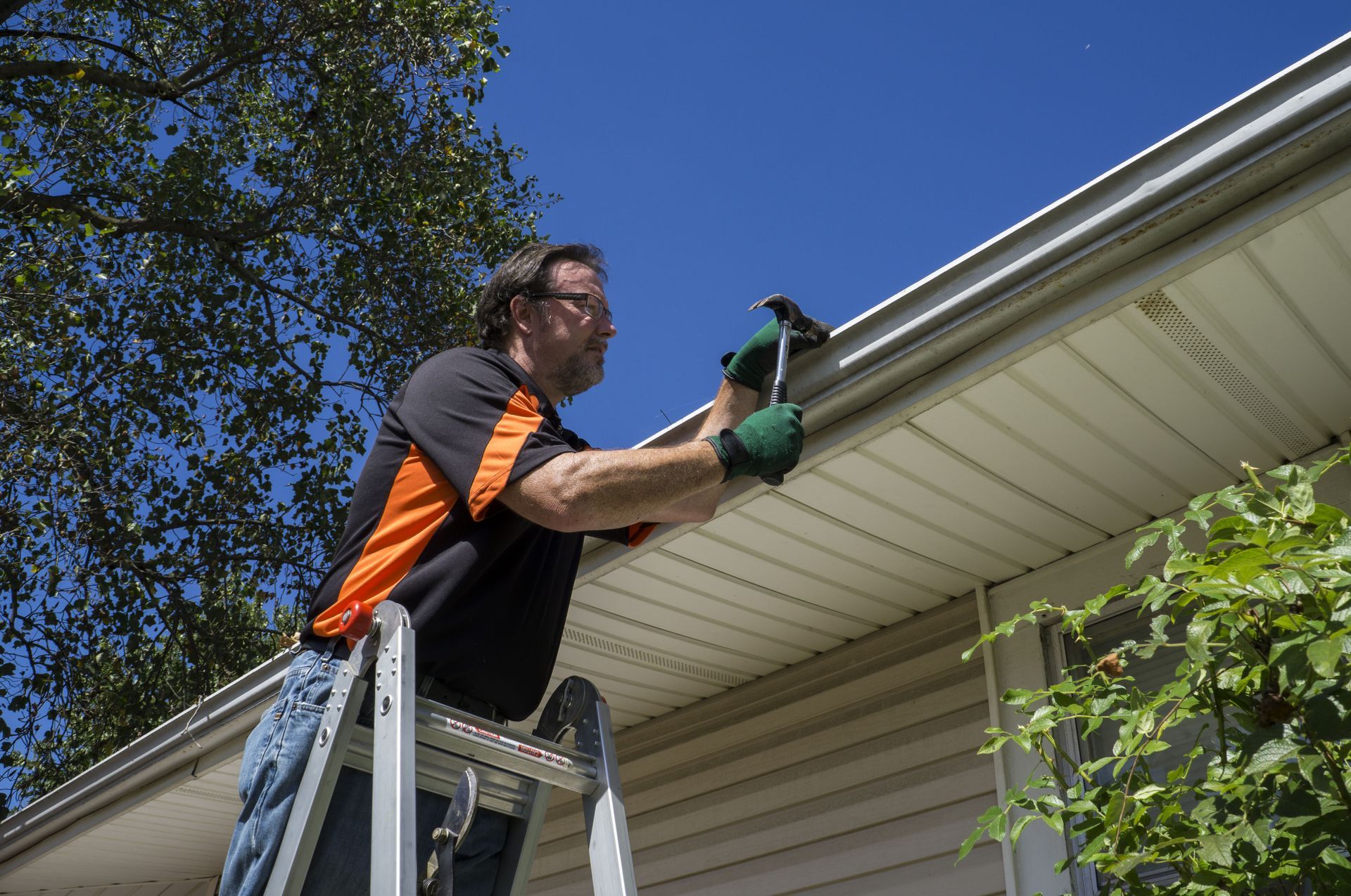
If your roof tracks look uneven or seem to be leaning away from your house, the connection hardware has likely failed. Over time, heavy winds, intense thermal expansion, and improper initial installation can cause your mounting screws and brackets to back out of the wood fascia. Once a few brackets pull loose, the remaining hardware faces extreme stress, causing the entire track to sag. Checking these fasteners regularly and tightening loose brackets keeps your system securely attached, ensuring it stays level even through the most severe weather. Handling these minor gutter repairs instantly protects the entire roofline from buckling.
Clearing Out Heavy Debris Accumulation
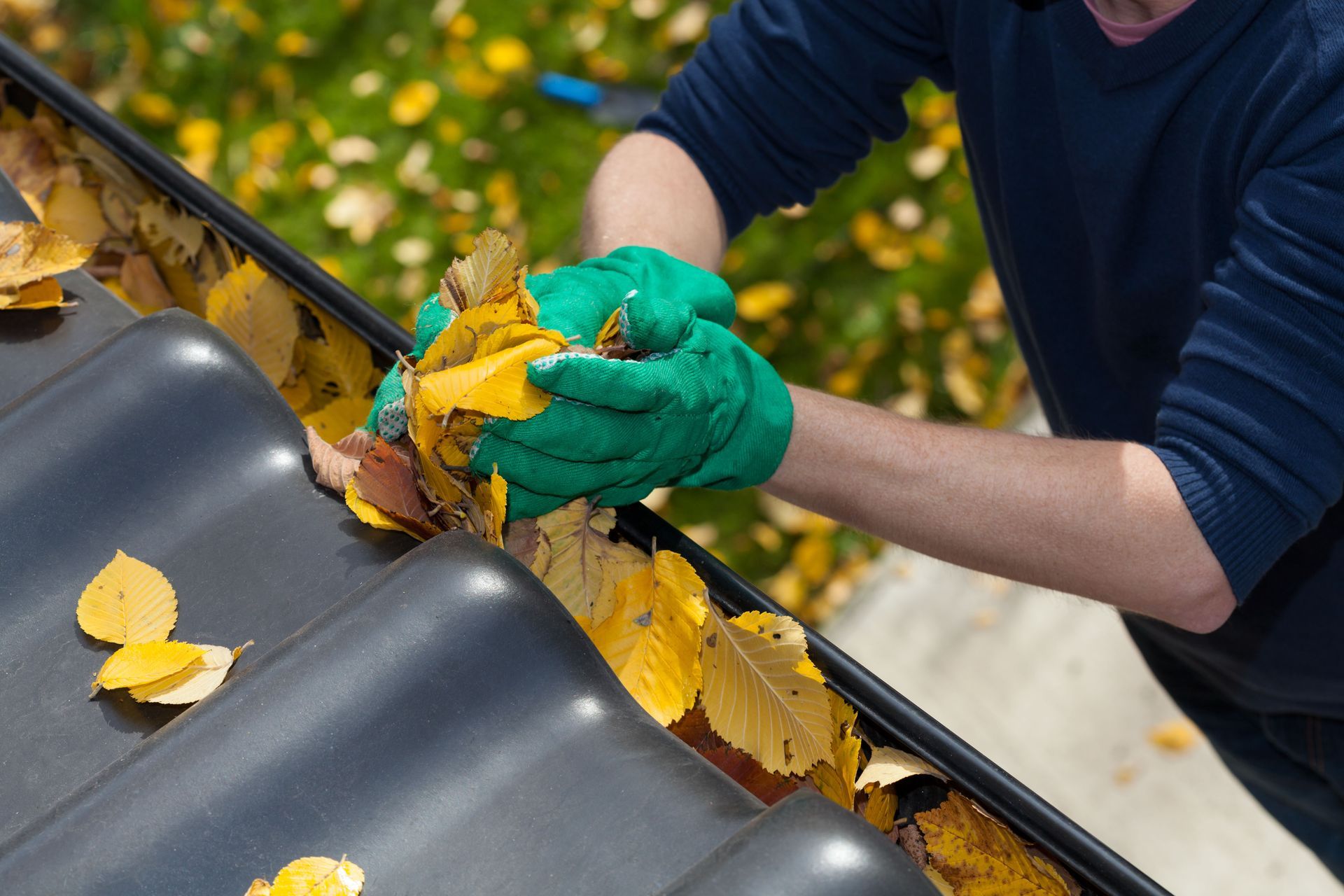
Leaves, pine needles, and small twigs can quickly pile up inside your water tracks, creating dense blockages that trap standing water. This accumulated debris adds an incredible amount of weight to your system, especially after a heavy storm when the material is completely soaked. The extreme physical strain can cause your brackets to bend or snap, pulling the metal entirely away from your roofline. Keeping your tracks clear of organic matter is essential for maintaining smooth water flow and preventing structural sag. Putting up protective screens can cut down on this debris buildup, making your regular maintenance routines much easier.
Correcting Pitch and Slope Flaws
For water to travel smoothly toward your downspouts, your drainage tracks must maintain a very precise downward slope. If a track is hung perfectly flat or has pulled out of alignment, water will collect in the middle of the run rather than draining out. A standard rule for proper alignment requires a downward slope of at least a quarter inch for every ten feet of horizontal track. When a section loses its proper pitch, the standing water adds constant weight and accelerates material wear. Adjusting the slope of your system corrects these stagnation issues and keeps water moving out quickly.
Addressing Rust and Corrosion
Galvanized steel systems offer excellent structural strength, but constant exposure to water and oxygen will eventually cause the underlying metal to oxidize. This chemical reaction creates orange rust spots that eat through the protective coatings over time. Rust typically begins in areas where water pools continuously due to poor drainage or thick debris piles. Once oxidation starts, it slowly thins the metal until small pinholes appear along the bottom of the channel. Catching these rough rust patches early allows you to treat the metal before it breaks down completely.
Applying Temporary Patches and Solutions
When you spot early rust damage, applying localized primers and rust-resistant paints can stop the oxidation from spreading across the system. Wire brushing the flaking metal surfaces clean and applying a thick protective coat helps maintain the look and function of the channel. Scheduling gutter repairs can provide a practical stopgap that keeps your home protected while you evaluate the system. However, these surface fixes require ongoing monitoring, as old metal will eventually need to be updated to maintain long-term reliability.
Fixing Leaky Seams and Joints
Water leaks most frequently appear at the seams, corner miters, and downspout connections where separate sections of your system join together. Over time, the constant expansion and contraction caused by shifting temperatures can pull these joints apart, breaking the factory seals. Inspecting your system from below during a heavy rainstorm is the easiest way to pinpoint these loose connections. Marking these problematic seams allows you to plan your fixes accurately, ensuring you seal up every single gap before moisture warps your wood fascia. Tackling small gutter repairs on your seams keeps the entire system completely watertight.
Applying Waterproof Sealants and Patches
Fixing a leaky joint requires thorough surface preparation to ensure your new sealants stick correctly. The area around the seam must be completely scraped clean of old caulk, scrubbed free of dirt, and allowed to dry out fully before you apply any fresh products. Spreading a thick layer of high-grade silicone or specialized rubber sealant directly over the interior seam creates a durable, flexible barrier against leaks. For larger splits or punctured sections, embedding a matching metal patch directly into the sealant layer provides a long-lasting fix that reinforces the damaged zone.
Scheduling Regular Upkeep and Long-Term Solutions
Running a walk-through during the spring and late autumn allows you to catch loose brackets, early rust, or shifting slopes before they cause serious problems. Staying ahead of necessary gutter repairs ensures that your system remains fully functional and ready to handle sudden storms without overflowing or backing up into your attic space.
When your private residence or commercial property requires experienced water management, detailed guard installations, or professional gutter repairs, choosing an experienced crew keeps your home safe and dry. Reach out to Estrada Development LLC to coordinate your upcoming system update with our team.

Share On: